
Arrive prepared
The last visit’s results and the building’s open actions are on the field agent’s phone before they walk in.
Why Gena
Most of what goes wrong with a managing agent comes down to two things: one property manager stretched across too many flats, and nobody able to say what was last checked at the building, or when. We have built the firm the other way round, and we keep the records to prove it.
200
Units per property manager. The industry norm is 400–800
6 of 6
Complaints to the Energy Ombudsman, all won
£0
Commission on anything we arrange, insurance included
2 months
Notice either way. No fixed term, no exit fee
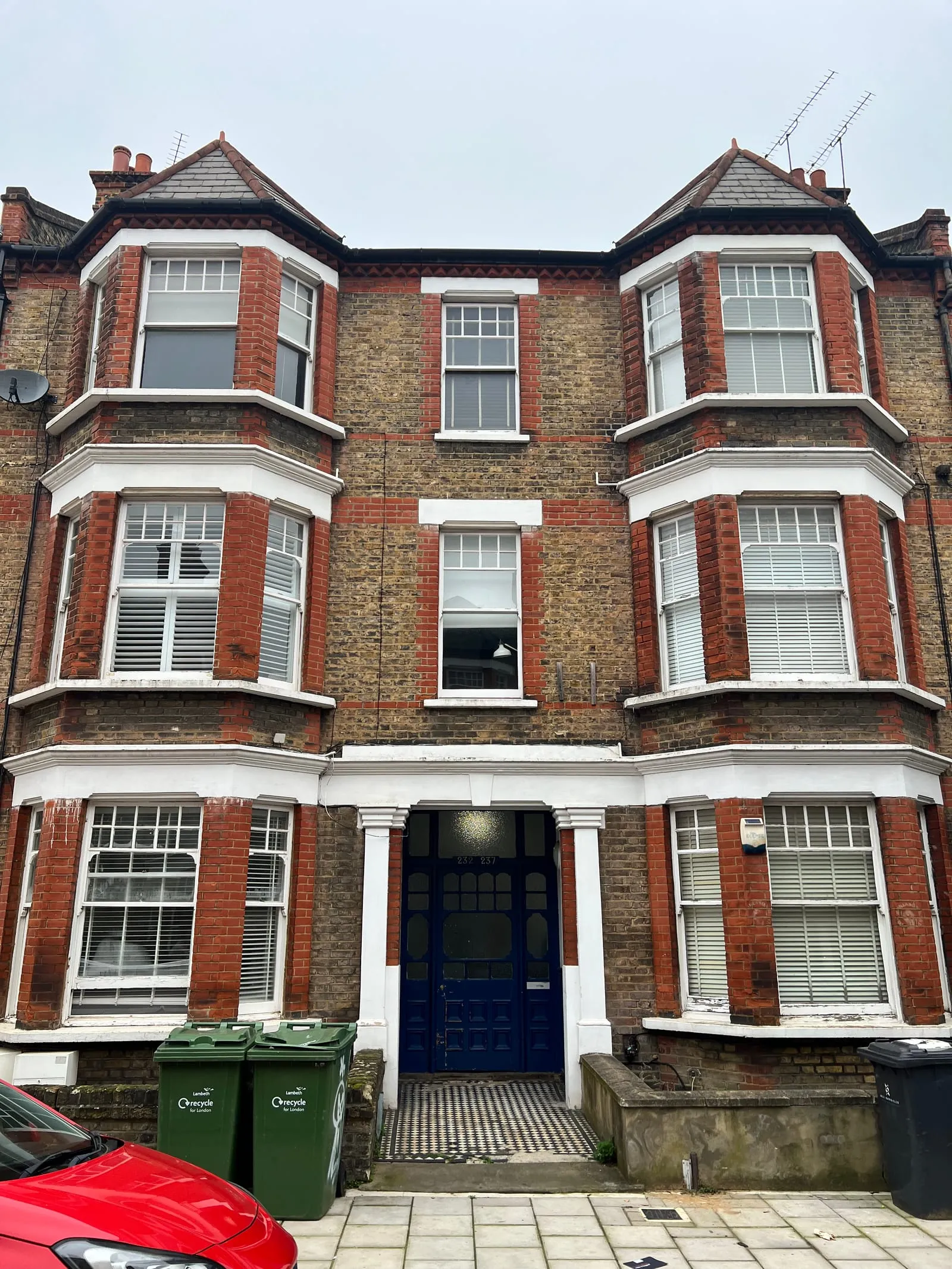
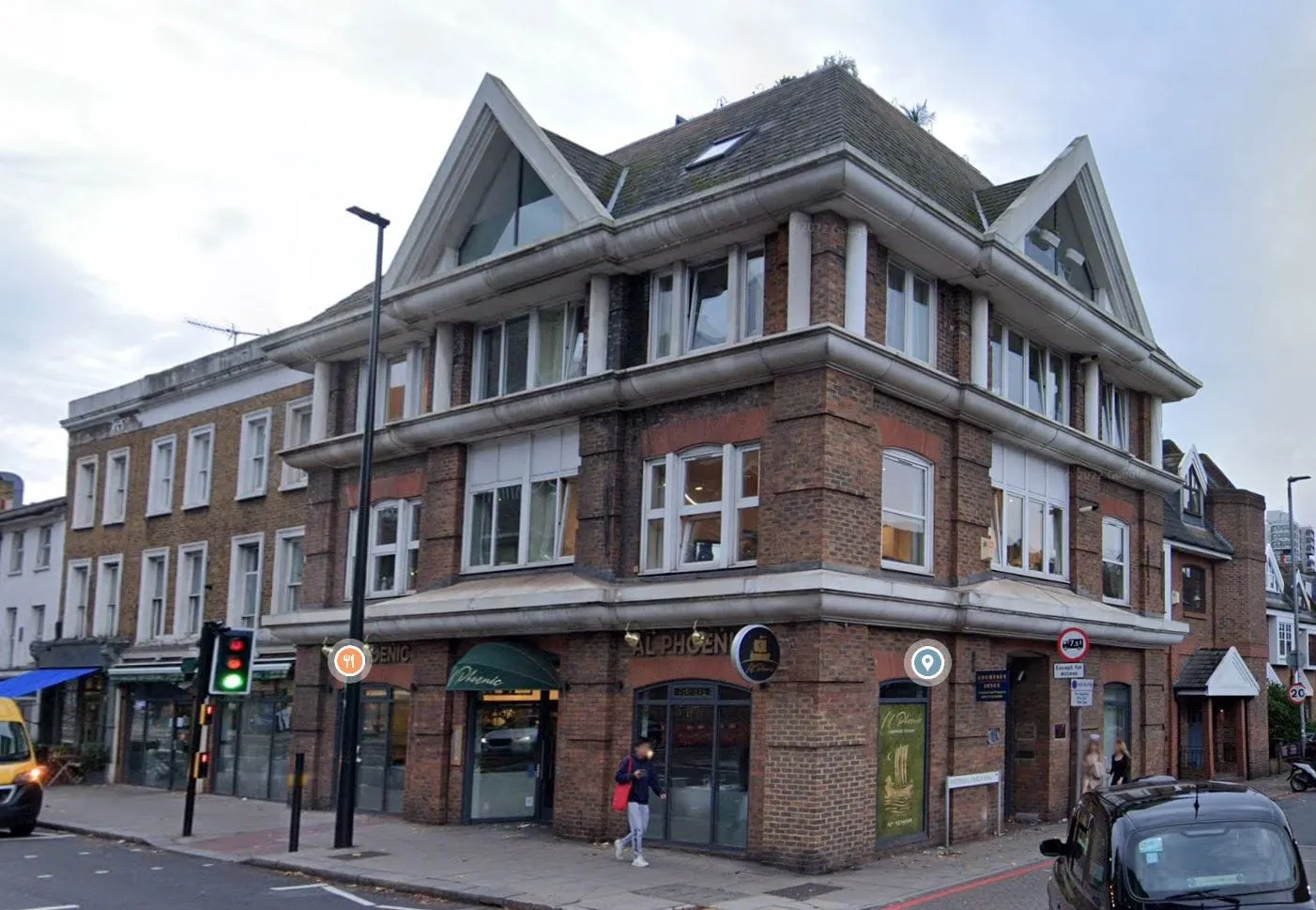
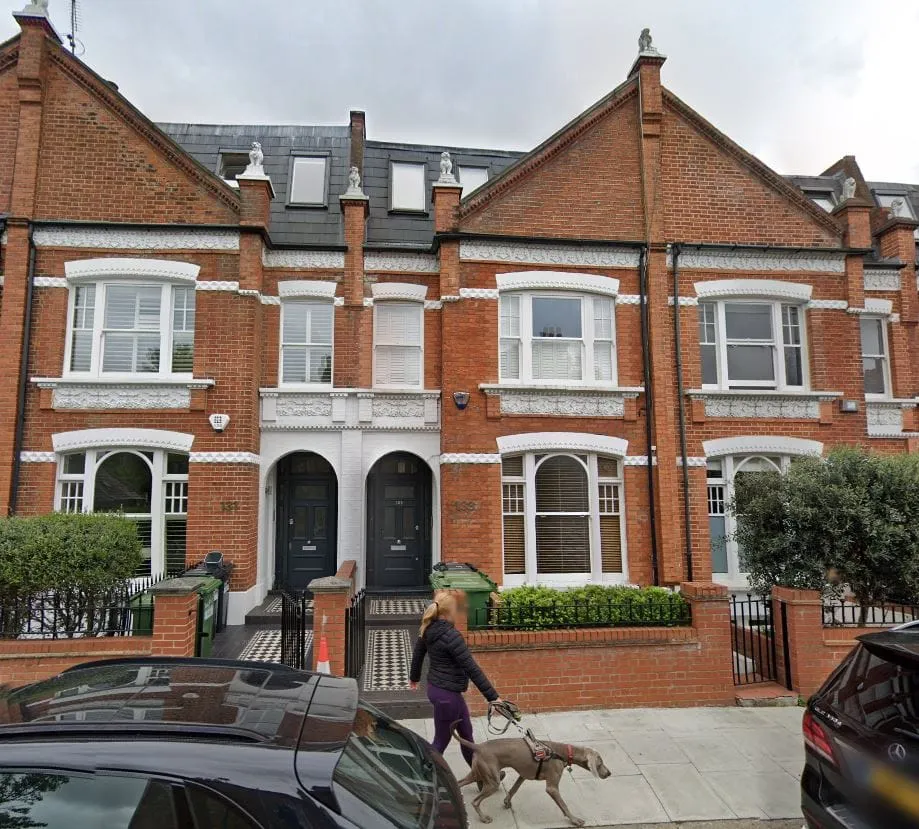
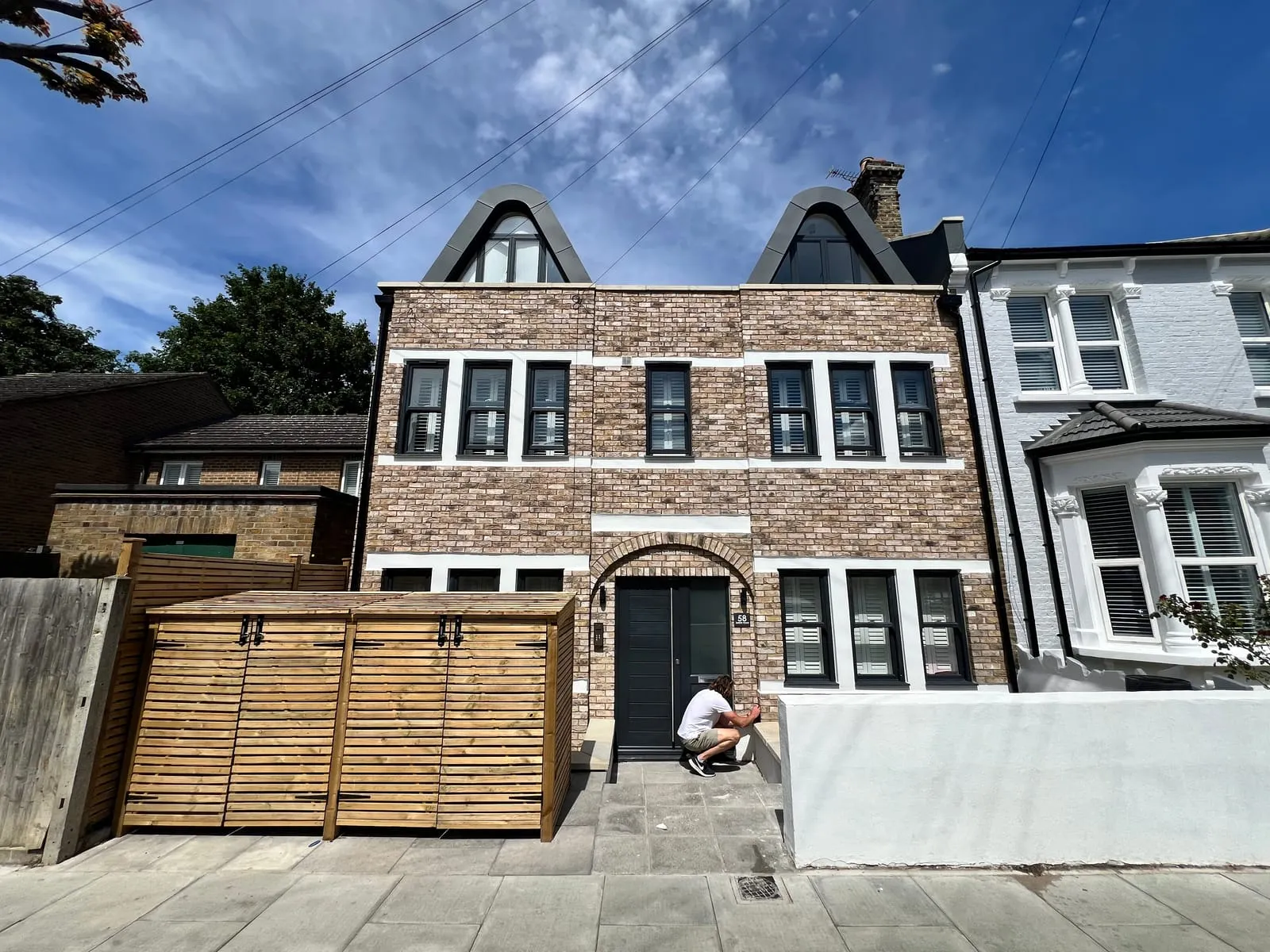
Some of the buildings in our care. See more of the portfolio
Side by side
Not every agent works the left-hand way. But it is the model ours was built to replace: one property manager as the bottleneck for hundreds of flats, and no record anyone can check of what happens at the building.
| Topic | Common elsewhere | At Gena |
|---|---|---|
| Who sees your report | One property manager’s inbox. If they are busy, on leave or off sick, it waits. | The whole team, the moment it is raised in the Gena Go app, with a named Block Lead for every building. |
| Workload | 400 to 800 units to each property manager. | Around 200 units to each property manager. |
| Proof of the visit | Rarely anything the directors can check. | Every visit recorded on site as it happens, with photos, on the building’s own record. |
| What the board sees | An update when the directors chase for one. | A live priority list, figures on what residents raised and how fast we answered, and spending against budget at any time. |
| Emails | Can sit unanswered in one person’s inbox. | Every email tracked until a reply has actually gone out. |
| Repeat leaks | Often logged as a fresh job each time it comes back. | One case file per leak, with every recurrence and the weather recorded, and access to flats chased until someone answers. |
| Contractors | Often an all-in-one provider that subcontracts the work. | Owner-operators who come back, and so know the building’s history. |
| Commission | Commission on the buildings insurance is common. | None, from anyone: insurers, brokers, contractors or surveyors. |
| Section 20 major works | Running the consultation is often charged as a percentage of the contract value. | No fee for running it on Gena Advantage and Gena Elite, and never a percentage on any level. |
| Leaving | Fixed terms, long notice periods and sometimes an exit fee. | No fixed term, two months’ notice either way, no exit fee, and the records handed back within 10 working days. |
Site inspections
Site visits are the part of block management that quietly stops happening, and the part nobody can check. Ours are made by our own field agents and recorded on site, as they happen.
Our field agents are part of our own team, there to be at the buildings rather than in the office. Every visit follows the same three steps, and nothing about it depends on somebody remembering to write it up later.
The last visit’s results and the building’s open actions are on the field agent’s phone before they walk in.
The common parts checked item by item, each with a note and a photo, on a good day as well as a bad one, because what the building looked like is the record.
Anything wrong is reported with a photo and reaches the office straight away as a job to fix. The record is saved before they leave.
Every fire safety check, pass or fail, with the date, who carried it out and their notes. A failed check raises a defect the office follows up, and the logbook is filed on your building.
The building item by item: grounds, exterior and roof, entrance and hallways, stairs and lifts, plant and metering, safety and compliance. Each is rated Good, Fair or Action with photos, and the report ends with an action list of what needs doing, by whom and by when.
Taken on a pass as well as a fail, each labelled with where it was taken, because what the escape routes looked like on the day is the record.
Where one is installed, residents scan it to see the building’s fire safety logbook: the latest checks and anything still being fixed. No login needed.
How often
That depends on the building, so we agree it with each board. Ask us about it when we meet.
Working with your board
The board decides; we advise, do the work and report back. These are the reports your directors get, and how often.
The jobs you and we agree need doing, in order, with target dates. Each director can add items, tick them off and comment through a private link.
What residents raised through the app and by email, how quickly we answered, and what is still open.
Spending by category against the budget, at any point in the year, not just at the year end.
The block inspection report and the fire safety logbook, with photos, once the office has checked them.
How we performed against our published standards for response times, inspections, accounts and complaints. On every service level.
Four a year on Gena Advantage and twelve on Gena Elite, with ad hoc advice between them. Directors pick the date by voting on a link, and the winning date goes out as a calendar invitation.
Who decides
You set a spending limit. Below it we act and report back; above it, one director’s email is enough to approve. We take instructions from the directors the board nominates, so everyone knows who decided what.
Gena Elite · service level agreement
On Gena Elite the standards are a formal service level agreement. Each one is rated every quarter. If we fall short, you get a written improvement plan within 10 working days of the quarter’s report and, if you ask, a meeting with a director within 10 working days. If the same standard is rated Inadequate in three of four consecutive quarters, you can end the agreement on one month’s notice instead of two.
Responsiveness
At around 200 units per property manager, against an industry norm of 400–800, we have the time to answer. The way reports and emails are routed makes sure we do.
A problem reported in the Gena Go app alerts every one of us, not one manager, and goes out to the tradesperson in the same app, often within minutes. A named colleague is on duty to check the app every working day.
One person plans your building’s year, and makes sure it happens: proactive maintenance, compliance and fire safety, the budget, major works and Section 20, and your directors and AGMs.
Every email joins a queue that is worked oldest first, and a thread only counts as answered once a reply has actually gone out. Urgent messages go to the whole team within hours, and a daily round-up chases anything still waiting.
For an urgent safety alert we also send a text to every resident mobile number we hold, so the message does not depend on somebody checking their email.
Published, and measured: how we did against them is reported to the board every quarter.
| Type | For example | Our standard |
|---|---|---|
| Emergency | Flooding, someone trapped in the lift, a security breach | Contractor instructed at once, day or night |
| Urgent | Lift out of service with nobody trapped, no hot water, a contained leak, door entry failure | Contractor instructed the same working day, attending within 24 hours |
| Routine | Communal lighting, minor repairs, pests | Contractor instructed within 3 working days |
| Enquiries | Emails, calls and Gena Go messages | Acknowledged the same working day, answered in full within 2 working days or a date given for the answer |
In a fire, or wherever anybody is in danger, ring 999 first. For what counts as an emergency out of hours, see emergencies and out of hours.
Leaks
The classic block misery: it stops with the weather, comes back with it, and takes three flats’ worth of access before anyone finds the source. When a leak may be coming from the building, whether the roof, the structure or a communal pipe, we run it as a case file from start to finish.
A leak that starts inside a flat is a private matter between the flats involved; see who investigates a leak and what to do when your ceiling starts leaking.
Logged with photos, whether it reached us from site, by email or through the app.
Every recurrence recorded, with whether it was raining at the time.
Flats inspected and ruled out one by one, so nobody is asked twice.
The source found and fixed, with every invoice tallied to the case.
Costs recharged to the flat at fault, where the lease allows.
“Dry on Saturday, back on Sunday with the rain” is the fact that separates a roof problem from a plumbing one, so it is captured on every entry rather than remembered later.
Flats we are waiting on for access are chased automatically until someone answers, so an investigation never stalls in silence.
Contractors
A good contractor is always busy. We rely on being good custom to get our work prioritised, and on trusting the contractor, so that you get good advice as well as good service.
For straightforward work such as redecoration we use contractors we know and have worked with before, which is what makes snagging fixable.
Money and terms
We spend a service charge as if it were our own money, and the terms are written so you never stay with us because leaving is hard.
Service charge and reserve funds are held on trust in a client account in your building’s name, never pooled with our money or another client’s. Any interest goes to the building.
Not from insurers, brokers, contractors or surveyors. The board gets the insurance broker’s own statement of what it earns, and if anyone ever offered us a commission, rebate or discount, the board would be told and the money paid into the building’s account.
No percentage on major works. Anything outside the service level is quoted before we start, at an hourly rate capped at £150 + VAT, and every payment is matched to an invoice and coded to the budget.
No fixed term, two months’ notice either way and no exit fees. If you move on, the records, contracts, keys and uncommitted funds come back within 10 working days, with a final bank reconciliation within 28 days.
Changing agent
We run every handover to a written schedule. Around 60 items are asked for from the outgoing agent in writing, from the funds and arrears to the leases, contracts, compliance certificates, keys and codes, and we tell the board each week what has arrived and what has not. Opening balances are checked against the outgoing agent’s figures before our first demand goes out.
Case study · energy
Communal energy is a large line in many service charges, and suppliers do get it wrong. When they do and will not put it right, we take it to the Energy Ombudsman. These are the six complaints we have made, and every one was decided in our favour.
Our experience with heat networks meant we were able to secure relief under two government schemes when energy costs were at their highest:
Brokers were selling structured products and lock-in rates through the spike. We have since moved our contracts to mid-year renewal dates.
Why communal standing charges rose so sharply: energy standing charges since the invasion of Ukraine.
Leaseholders and directors
In their own words, shared without names: we never name the people or the buildings we look after.
“I also wanted to say thank you for being an excellent managing agent over the years I have had the flat! We’ve always found you to be highly professional, responsive and helpful and this has been much appreciated indeed!”
“You are a breath of fresh air.”
“Thanks for all your hard work over the last year, especially when you initially took over. I have seen drastic improvements in service and communication and there is no doubt the property has benefited from this.”
“Thanks for being proactive and keeping us up to date. Much better service than we have had in the past!”
“…I cannot tell you how happy I am to see that you have taken over, and that you have taken so many steps already to sort out a host of issues. It’s a great relief indeed.”
“Brilliant! Thanks Stewart — it’s great to have someone who actually takes an interest in the property and is proactive in finding cost-effective solutions.”
“Thanks for all your emails and incredibly pro-active approach!”
“…the window cleaners did a good job and the handyman is also really good. I think you’re doing a fab job of managing the block!!”
“Also, can I mention how pleased I am with how hands on you are.”
Questions
It depends on the building, so we agree it with each board, and we are happy to talk it through when we meet. Whatever is agreed, every visit is recorded on site as it happens: the common parts checked item by item with notes and photos, and anything wrong reported with a photo that reaches the office straight away. The record is filed on your building before we leave.
A member of our team whose job is to be at the buildings rather than in the office. Everything they do on site, from the checks and photos to anything that needs fixing, is recorded as they do it on our own app and filed on the building’s record in our system, so “when were you last here?” always has an answer.
A live priority list of the jobs agreed with the board, in order and with target dates, which each director can add to, tick off and comment on through a private link; a report on what residents raised through the app and by email, how quickly we answered and what is still open, quarterly or monthly; spending against budget at any time in the year; the block inspection report and fire safety logbook after an inspection; and every quarter, how we performed against our published service standards. Gena Advantage includes four board meetings a year and Gena Elite twelve.
No. We take no commission on anything we arrange for a building, insurance included: no broker commission, insurance administration fee, contractor referral fee, introducer fee or utility brokerage mark-up. The board receives the broker’s own statement of what it earns, as the FCA’s rules require, and if anyone ever offers us a commission, rebate or discount, we tell the board and credit it in full to the service charge account.
Our standards: in an emergency, a contractor is instructed at once, day or night; an urgent problem gets a contractor instructed the same working day and attending within 24 hours; a routine repair gets a contractor instructed within 3 working days; and emails, calls and Gena Go messages are acknowledged the same working day and answered in full within 2 working days, or given a date for the answer. Our performance against them is reported every quarter on every service level. On Gena Elite they form a service level agreement: a written improvement plan within 10 working days if we fall short, a meeting with a director if you ask, and the right to end the agreement on one month’s notice if the same standard is rated Inadequate in three of four consecutive quarters. There is no service credit or fee rebate on any level.
We prefer owner-operators: they have lower overheads, give continuity of service and so build up knowledge of the building, and are accountable for their own work. We steer clear of all-in-one service providers, which subcontract their work and carry high overheads, and whose tradespeople may never visit the building again. For straightforward work such as redecoration we use contractors we know and have worked with before, which is what makes snagging fixable. A good contractor is always busy, so we rely on being good custom to get our work prioritised.
Either side can end the agreement at any time, for any reason, on two months’ written notice. There is no fixed term and no exit fee. We return all records, contracts, keys and uncommitted funds within 10 working days, and a final bank reconciliation within 28 days.
Let’s talk
Tell us about the block and what has gone wrong before. We’ll come and see it, look at the budget, and show you what would change.